Response Bookkeepers

When all you get are questions, all you need is Response

7 Mistakes You’re Making with Automated Bookkeeping (and How to Fix Them)

2026-06-29 by kev sykes

We’ve all heard the pitch: "Automation will save you hours of work!" And to be fair, tools like Xero and Hubdoc have completely changed the game for small business owners. The days of manual data entry and "shoebox accounting" are, thankfully, behind us.

But here is the reality we see every day at Response Bookkeepers: automation is a powerful engine, but if you don’t have a driver, you’re likely to end up in a ditch.

Automation doesn’t mean your bookkeeping is "done"; it just means the data moves faster. If that data is wrong, it just means your books get messy at the speed of light. If you’re feeling like your "automated" books are more of a headache than a help, you’re probably making one of these seven common mistakes.


1. The "Set and Forget" Mindset

The biggest mistake entrepreneurs make is assuming that because they’ve connected their bank feed to Xero, the bookkeeping is taking care of itself.

Automation is a tool, not a replacement for professional oversight. We often see business owners who haven’t looked at their Xero dashboard in months, only to find hundreds of unreconciled transactions and "suggestions" from the AI that are completely off-base.

How to Fix It:
Treat your bookkeeping like a weekly pulse check. Spend 15 minutes every Friday reviewing what the automation has done. If something looks weird, fix it then: don't wait until tax season when you have 2,000 transactions to untangle.

A robot arm incorrectly sorting data shapes

2. Creating "Bad" Bank Rules

Bank rules in Xero are fantastic: until they aren't. A common error is creating a rule that is too broad. For example, you might create a rule that says "Anything from Amazon goes to Office Expenses."

But what happens when you buy a new laptop (an Asset) or a gift for a client (Business Development) from Amazon? The automation blindly follows your old rule, and suddenly your Profit & Loss statement is a fiction. Your "Office Expenses" are through the roof, and your balance sheet is missing its assets.

How to Fix It:
Review your bank rules quarterly. If a vendor provides multiple types of services or products, don't use a "blanket" rule. Instead, use "Description" or "Reference" matching to make the rules more specific, or simply keep those vendors manual so you can code them correctly every time.

3. Over-Automation: The "Auto-Publish" Trap

Hubdoc is a lifesaver for document management (it’s why we’re Hubdoc Advanced Partners). It can fetch your bills and "Auto-Publish" them directly into Xero as soon as they arrive.

However, if you have Hubdoc set to auto-publish every single document without a quick human review, you are asking for trouble. Hubdoc might misread a date, confuse a total amount with a tax amount, or assign the wrong supplier. Once it's published to Xero, it’s much harder to find the error.

How to Fix It:
Turn off "Auto-Publish" for any vendor that isn't 100% consistent (like your monthly rent or a fixed software subscription). For everything else, take five seconds to glance at the digital receipt in Hubdoc before hitting "Publish."

A digital receipt being transformed into cloud data

4. The Duplicate Data Entry Disaster

This usually happens when there is a "disconnect" between your payment workflow and your document workflow.

Imagine you receive a bill from a supplier. You manually enter it into Xero to keep track of what you owe. Then, you also snap a photo of that same bill and upload it to Hubdoc, which then pushes it to Xero. Now you have two bills for the same thing. If you aren't careful, you might even pay it twice!

How to Fix It:
Pick one source of truth for your payables. At Response Bookkeepers, we recommend that all bills go through Hubdoc first. Hubdoc pushes the bill to Xero, and that is the entry you use to schedule your payment. This ensures there is always a source document attached to every transaction.

Duplicate document icons with a warning sign

5. Ignoring the "Missing Receipt" Gap

Just because a transaction appears on your bank feed doesn't mean your bookkeeping is complete. From a tax compliance standpoint, the bank transaction is only half the story: you need the actual invoice or receipt to prove what you bought and how much GST/tax was involved.

Many business owners think the "automated" bank feed is enough for the CRA or IRS. It isn't. If you get audited and don’t have the receipts to match the bank lines, those deductions can be denied.

How to Fix It:
Commit to the "Hubdoc First" rule. If you spend money, the receipt goes to Hubdoc immediately: either via the mobile app, an email forward, or a direct fetch. When you go to reconcile in Xero, there should already be a "Green Match" waiting for you because the receipt is already there.

6. Skipping the Reconciliation Step

Reconciliation isn't just a fancy accounting word; it’s the process of making sure your Xero balance matches your actual bank balance.

We see many "automated" users who have a list of transactions in Xero that doesn't match their real-world bank statement. This happens when bank feeds skip a day, or when manual entries are made incorrectly. If you don't reconcile, your financial reports are essentially useless for making business decisions.

How to Fix It:
At the end of every month, check your "Statement Balance" vs. your "Balance in Xero" on the dashboard. If they don't match, something is wrong. If you’re not sure how to fix it, that’s exactly the kind of bookkeeping guidance we provide to our clients.

7. Not Locking Your Books

This is a technical mistake that leads to massive headaches at year-end. If you (or your automation) change a transaction from six months ago: after you've already filed your sales tax or shared reports with your bank: your numbers will no longer match your filings.

Automation makes it very easy to accidentally "click and change" something in the past.

How to Fix It:
In Xero, use the "Financial Settings" to set a Period Lock Date. Once you’ve finished a month or filed a tax return, lock that period. This prevents any automated rules or accidental clicks from changing your historical data.


When Automation Isn't Enough

Automation is brilliant for handling the "grunt work" of bookkeeping, but it cannot replace the strategic mind of a professional. Tools like Xero and Hubdoc give you the data, but they don't give you the answers.

When you find yourself staring at your dashboard wondering why your cash flow doesn't match your profit, or why your sales tax looks "off," automation has reached its limit.

At Response Bookkeepers, we specialize in bridge-building. We take the automated data from your systems and turn it into clear, actionable guidance. As our tagline says: "When all you get are questions, all you need is Response."

Stop guessing if your automation is working and start knowing for sure. Whether you need a one-on-one meeting to clean up your current setup or ongoing support to keep your business profitable, we’re here to help.

A question mark transforming into an exclamation point

Ready to fix your bookkeeping for good?
Contact us today to schedule a consultation and let’s get your finances moving in the right direction.


Filed Under: Uncategorized

How to Choose the Best Bookkeeper in 2025 (5-Step Comparison Guide): Part 2

2025-12-02 by kev sykes

Welcome back to our bookkeeper selection series! In Part 1, we covered the groundwork: understanding your needs and knowing what to look for. Now it's time to roll up our sleeves and actually compare your options.

This is where the rubber meets the road. You've got a shortlist of potential bookkeepers, but how do you separate the pros from the wannabes? Let's dive into the practical steps that'll help you make the right choice.

Step 3: Test Their Tech Game

Here's the thing: it's 2025, and if your bookkeeper isn't embracing automation, they're basically using a calculator while everyone else has smartphones.

Start with the Xero Question

Ask every candidate about their Xero experience. Not just "I've used it" but specifics. Can they set up automated bank feeds? Do they know how to configure Hubdoc for seamless document management? Can they integrate your existing tools?

A modern bookkeeper should get excited talking about automation, not nervous. They should mention things like automated invoice processing, receipt capture through mobile apps, and real-time reporting dashboards.

Look for the Automation Mindset

The best bookkeepers in 2025 aren't just data entry specialists: they're efficiency experts. They should be asking YOU questions like:

  • "What repetitive tasks are eating up your time?"
  • "How are you currently handling receipts and invoices?"
  • "What kind of real-time insights do you need for decision-making?"

If they're not thinking about making your life easier through automation, keep looking.

image_1

Test Their Problem-Solving Approach

Give them a scenario: "My online store processes 200 orders daily, and I'm drowning in receipt management. How would you handle this?"

A tech-savvy bookkeeper might suggest integrating your e-commerce platform with Xero, setting up automated sales tracking, and using Hubdoc to automatically capture and categorize supplier receipts. A traditional one might offer to manually enter everything twice a week.

Guess which one will serve you better in the long run?

Step 4: Evaluate Trust and Credibility

Money makes people do weird things. You need someone you can trust with your financial life, so dig deeper than just checking references.

Check Their Digital Footprint

Google them. Check their LinkedIn. Look at their business website if they have one. Are they consistent in their messaging? Do they seem legitimate and professional online?

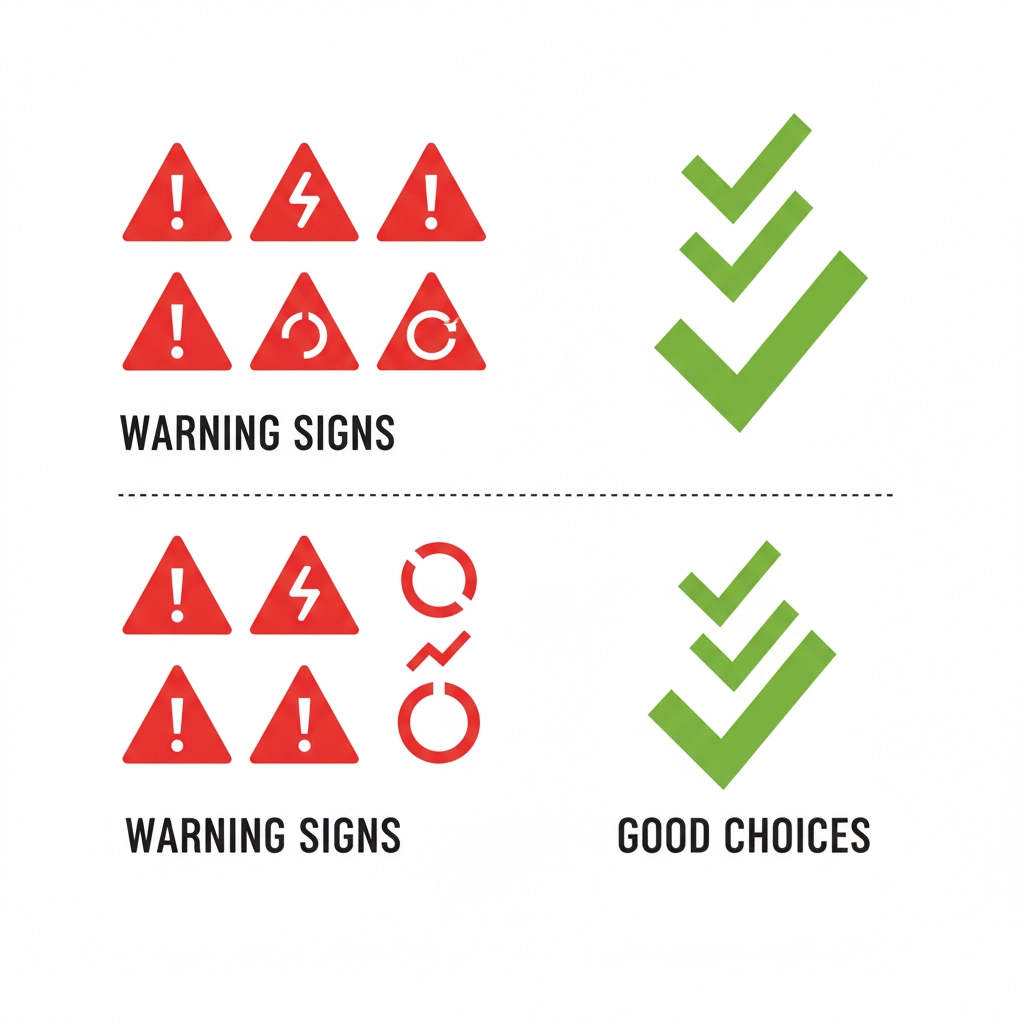
Red flags include:

  • No online presence at all (it's 2025, come on)
  • Inconsistent information across platforms
  • Unprofessional social media content
  • No clear business address or contact information

Ask About Their Security Practices

Your bookkeeper will have access to your bank accounts, financial records, and sensitive business data. They should be able to explain:

  • How they protect client data
  • What backup systems they use
  • Their approach to password management
  • Whether they use secure, cloud-based accounting systems

If they suggest emailing spreadsheets with financial data or storing everything on their personal laptop, that's a hard no.

Verify Their Credentials Properly

Don't just take their word for certifications. Ask for proof and verify with the issuing organizations. A legitimate bookkeeper won't hesitate to provide documentation of their qualifications.

Look for:

  • Certified Bookkeeper (CB) designation
  • QuickBooks or Xero certifications
  • Relevant continuing education
  • Professional liability insurance

Step 5: Compare Experience That Matters

Not all experience is created equal. Ten years of doing things the old way isn't necessarily better than two years of modern, efficient practices.

Industry-Specific Experience

If you run a restaurant, you need someone who understands inventory management, tip reporting, and the seasonal cash flow challenges of hospitality. If you're in e-commerce, they should know about sales tax nexus, marketplace fees, and inventory accounting.

Ask specific questions about businesses similar to yours. How did they handle common challenges in your industry? What insights can they share?

Size and Complexity Match

A bookkeeper who's only worked with million-dollar corporations might be overkill (and overpriced) for your startup. Conversely, someone who's only handled simple sole proprietorships might struggle with your growing LLC's complexities.

Look for experience that matches your current size with room to grow.

image_2

Technology Evolution Story

Ask about their journey with accounting technology. How have they adapted to new tools over the years? What new systems have they learned recently?

The best candidates will have stories about migrating clients to cloud-based systems, implementing automation tools, or solving problems with creative technology solutions.

Step 6: Decode Pricing Without Getting Fooled

Bookkeeping pricing can be more confusing than airline fees, but here's how to cut through the noise.

Understand the Real Cost Structure

Hourly rates seem straightforward, but they can be deceiving. A $30/hour bookkeeper who takes 20 hours monthly might cost more than a $50/hour expert who finishes the same work in 8 hours.

Fixed monthly pricing is often better for budgeting, but make sure you understand what's included. Does it cover:

  • Monthly reconciliation and reporting?
  • Unlimited questions and support?
  • Year-end preparation?
  • Tax season collaboration?

Watch for Hidden Costs

Some bookkeepers quote low base rates but charge extra for everything else:

  • "Setup fees" for new clients
  • Additional charges for each bank account or credit card
  • Extra fees for integrating your existing software
  • Hourly charges for answering questions

Get everything in writing and ask for examples of typical monthly costs for businesses like yours.

Consider the Automation Premium

Tech-savvy bookkeepers who use modern tools might charge slightly more upfront, but they often deliver better value through:

  • Faster turnaround times
  • More accurate records
  • Better reporting and insights
  • Less of your time required for questions and corrections

Think investment, not expense.

Step 7: Run the Final Tests

Before making your decision, put your top candidates through these final paces.

The Communication Test

Send each candidate a complex question about your business finances. How quickly do they respond? Is their answer clear and helpful? Do they ask follow-up questions to better understand your situation?

Communication problems only get worse over time, so pay attention to early warning signs.

The Scenario Challenge

Present a real situation from your business (anonymized if necessary) and ask how they'd handle it. This reveals their problem-solving approach and whether they truly understand your industry.

The Growth Question

Ask how they'd adapt as your business grows. Will they be able to handle increased transaction volume? Can they support additional entities or locations? What's their plan for scaling their services?

image_3

Making Your Final Decision

After all this evaluation, you should have a clear frontrunner. But before signing anything, trust your gut. You'll be working closely with this person, sharing sensitive information, and relying on their expertise.

The right bookkeeper should make you feel confident about your financial management, excited about the insights they'll provide, and relieved that this crucial task is in capable hands.

Remember, the cheapest option rarely provides the best value, and the most expensive isn't automatically the best choice. Focus on finding someone who combines technical expertise, modern tools, clear communication, and genuine understanding of your business needs.

Ready to Move Forward?

In Part 3, we'll cover the onboarding process, setting expectations, and building a productive long-term relationship with your chosen bookkeeper. Because finding the right person is just the beginning: making the partnership work is where the real value happens.

Until then, use these steps to evaluate your candidates thoroughly. Take your time with this decision: it's one of the most important choices you'll make for your business's financial health.

Filed Under: Uncategorized

How to Choose the Best Bookkeeper in 2025 (5-Step Comparison Guide): Part 3

2025-12-02 by kev sykes

Welcome back! If you've been following along with our series, you've already learned how to identify your bookkeeping needs and evaluate potential candidates. Now comes the exciting part: actually making your decision and getting started with the right bookkeeper for your business.

Step 4: The Final Comparison Framework

You've done your homework, interviewed candidates, and checked references. Now it's time to make the call. Here's how to structure your final comparison to avoid decision paralysis.

Create Your Comparison Scorecard

Don't just go with your gut: use a simple scoring system. Rate each candidate or service on these key factors (1-5 scale):

Technical Expertise (25%)

  • Proficiency with your preferred accounting software (Xero, QuickBooks, etc.)
  • Experience with automation tools like Hubdoc or Receipt Bank
  • Industry-specific knowledge
  • Problem-solving demonstrated during interviews

Communication & Trust (30%)

  • Responsiveness during the evaluation process
  • Clarity in explaining financial concepts
  • Professional references and track record
  • Your comfort level with them handling sensitive financial data

Service Flexibility (20%)

  • Ability to scale services up or down
  • Willingness to adapt to your business workflows
  • Integration with your existing tools and processes
  • Support during busy seasons or special projects

Value for Money (25%)

  • Not just the lowest price, but the best bang for your buck
  • Transparent pricing structure
  • What's included vs. what costs extra
  • Long-term cost considerations as your business grows

image_1

The Modern Tools Factor

Here's where 2025 differs from previous years: automation isn't optional anymore. Your bookkeeper should be pushing you toward more efficient systems, not keeping you stuck in manual processes.

Look for bookkeepers who actively use and recommend:

  • Cloud-based accounting software like Xero for real-time access
  • Receipt management tools like Hubdoc that automatically extract data
  • Bank feed integrations that eliminate manual data entry
  • Automated reconciliation tools that catch errors faster

If a bookkeeper seems hesitant about modern tools or suggests sticking with spreadsheets, that's a red flag. You're not just hiring for today: you're investing in someone who'll help modernize your financial processes.

Step 5: Red Flags That Should End the Conversation

Before you sign on the dotted line, watch out for these deal-breakers:

Communication Red Flags

  • Takes days to respond to emails or calls
  • Can't explain basic concepts in plain English
  • Seems overwhelmed by your business complexity
  • Pushes back when you ask questions about their process

Technical Red Flags

  • Only comfortable with outdated software versions
  • Resistant to cloud-based solutions for "security reasons"
  • Can't demonstrate automation tools or seems unfamiliar with them
  • Suggests keeping everything in Excel spreadsheets

Business Red Flags

  • Extremely low prices that seem too good to be true
  • Vague contracts without clear scope definition
  • No professional insurance or bonding
  • Can't provide recent client references

image_2

Making the Final Decision

After all your analysis, you might still have two solid candidates. Here's how to break the tie:

The Integration Test

Ask yourself: "Which option will integrate most smoothly with how we actually work?" The bookkeeper who understands your industry and already uses compatible tools will have you up and running faster.

The Growth Factor

Think 12-18 months ahead. Which option gives you room to grow without switching providers again? A bookkeeping firm that can scale services often beats an individual who might get overwhelmed as you expand.

The Automation Advantage

In 2025, the bookkeeper who helps you automate routine tasks will save you more time and money than the one who just processes transactions manually. Factor this into your decision.

Getting Started: The First 90 Days

You've made your choice: now what? The first three months are crucial for setting up a successful long-term relationship.

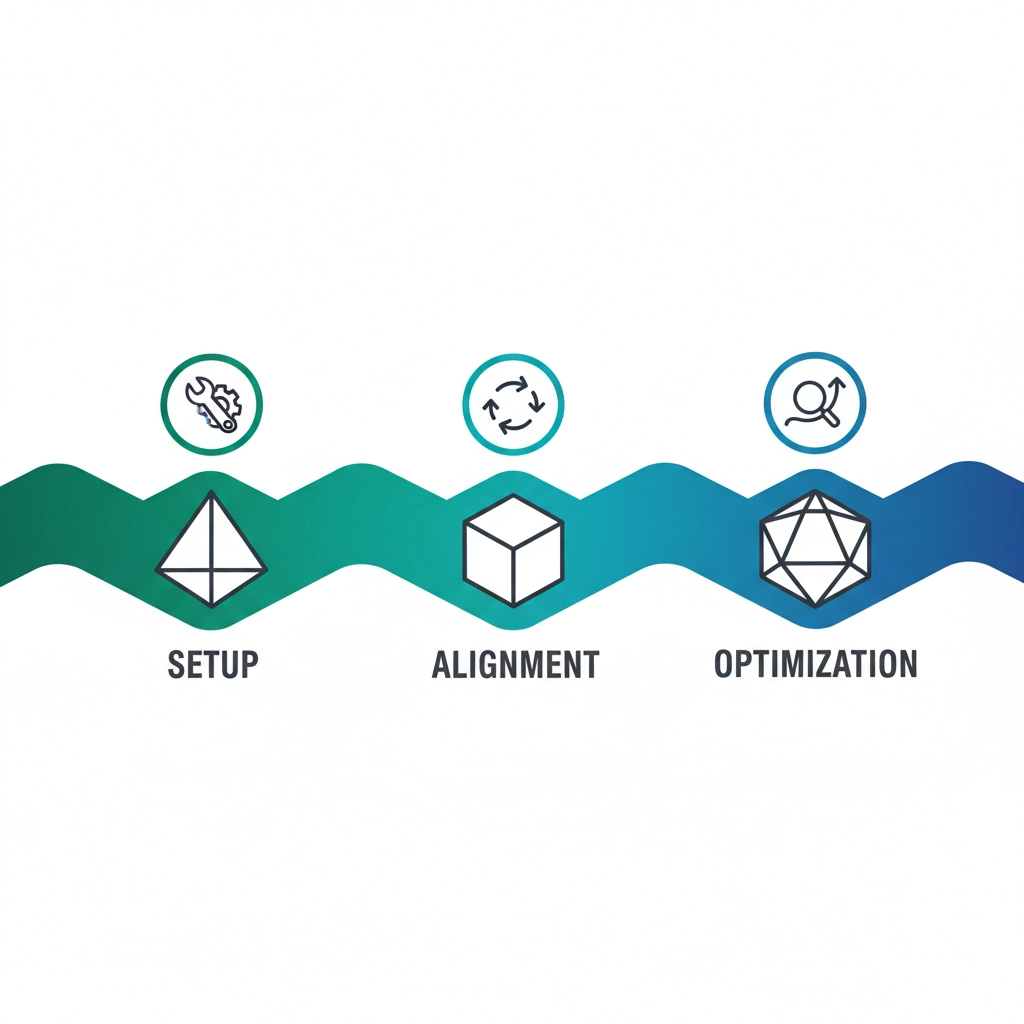
Week 1-2: Setup and Access

  • Provide access to all necessary accounts and software
  • Share 12 months of historical financial records
  • Document any unique processes or industry requirements
  • Set up communication preferences and meeting schedules

Week 3-4: Process Alignment

  • Review their initial setup and organization
  • Clarify any questions about your business operations
  • Establish approval workflows for payments and decisions
  • Test automation tools and integrations

image_3

Month 2-3: Fine-Tuning

  • Review first monthly financial statements together
  • Adjust processes based on what's working (and what isn't)
  • Identify additional automation opportunities
  • Plan for tax season or busy periods ahead

Setting Expectations for Success

Great bookkeeping relationships thrive on clear expectations. Here's what you should expect from your new bookkeeper:

Monthly Deliverables

  • Clean, accurate financial statements by the 15th of each month
  • Reconciled bank and credit card accounts
  • Organized receipts and supporting documentation
  • Brief summary of any unusual transactions or concerns

Ongoing Communication

  • Proactive alerts about cash flow issues or opportunities
  • Regular updates on process improvements or automation upgrades
  • Quarterly business reviews (for full-service providers)
  • Tax preparation support or coordination with your CPA

The Automation Evolution Continues

Your choice of bookkeeper in 2025 should position you for even more automation in the coming years. Artificial intelligence and machine learning are already transforming bookkeeping, with tools that can:

  • Automatically categorize transactions with increasing accuracy
  • Flag unusual patterns that might indicate errors or fraud
  • Generate predictive cash flow reports
  • Streamline tax preparation with better data organization

The bookkeeper you choose should be excited about these developments, not threatened by them.

When to Reassess Your Choice

Even after making a great decision, business needs change. Plan to reassess your bookkeeping arrangement annually, looking at:

  • Are they keeping up with new tools and best practices?
  • Is their service level matching your business growth?
  • Are you getting proactive insights, not just data entry?
  • Could automation eliminate some manual tasks they're still doing?

image_4

Your Next Steps

If you're ready to move forward with a modern, automated approach to bookkeeping, Response Bookkeepers specializes in exactly what we've discussed: cloud-based systems, automation tools like Hubdoc, and scalable service that grows with your business.

The bookkeeping landscape in 2025 rewards businesses that embrace automation and partner with professionals who understand modern tools. Don't settle for yesterday's bookkeeping when today's solutions can transform how you manage your finances.

Ready to make your decision? Take your comparison scorecard, trust your research, and move forward with confidence. The right bookkeeping partner is out there: and with this framework, you're equipped to find them.

Remember: you're not just hiring a bookkeeper, you're investing in a financial partnership that should make your business more efficient, more profitable, and ready for whatever comes next.

Filed Under: Uncategorized

  • « Previous Page
  • 1
  • 2
  • 3
  • Next Page »
Xero Online Accounting

Hubdoc Advanced Certified Partner

Contact Us

“When all you get are questions, all you need is Response”

Response Bookkeepers Privacy Policy

Terms of Service

  • Home
  • About
  • Services
  • Contact Us
  • Partners

© 2026 Response Bookkeepers - All Rights Reserved