Welcome back! If you've been following along with our series, you've already learned how to identify your bookkeeping needs and evaluate potential candidates. Now comes the exciting part: actually making your decision and getting started with the right bookkeeper for your business.
Step 4: The Final Comparison Framework
You've done your homework, interviewed candidates, and checked references. Now it's time to make the call. Here's how to structure your final comparison to avoid decision paralysis.
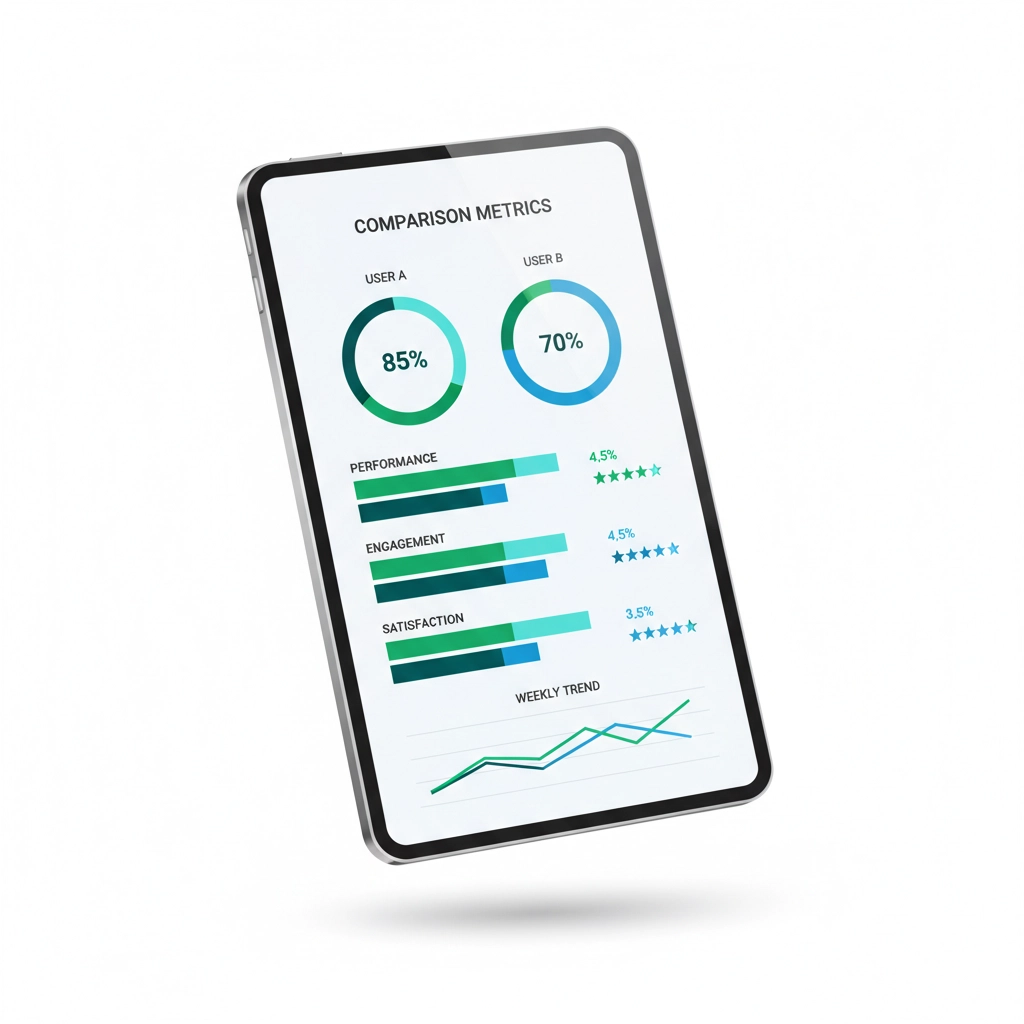
Create Your Comparison Scorecard
Don't just go with your gut: use a simple scoring system. Rate each candidate or service on these key factors (1-5 scale):
Technical Expertise (25%)
- Proficiency with your preferred accounting software (Xero, QuickBooks, etc.)
- Experience with automation tools like Hubdoc or Receipt Bank
- Industry-specific knowledge
- Problem-solving demonstrated during interviews
Communication & Trust (30%)
- Responsiveness during the evaluation process
- Clarity in explaining financial concepts
- Professional references and track record
- Your comfort level with them handling sensitive financial data
Service Flexibility (20%)
- Ability to scale services up or down
- Willingness to adapt to your business workflows
- Integration with your existing tools and processes
- Support during busy seasons or special projects
Value for Money (25%)
- Not just the lowest price, but the best bang for your buck
- Transparent pricing structure
- What's included vs. what costs extra
- Long-term cost considerations as your business grows
The Modern Tools Factor
Here's where 2025 differs from previous years: automation isn't optional anymore. Your bookkeeper should be pushing you toward more efficient systems, not keeping you stuck in manual processes.
Look for bookkeepers who actively use and recommend:
- Cloud-based accounting software like Xero for real-time access
- Receipt management tools like Hubdoc that automatically extract data
- Bank feed integrations that eliminate manual data entry
- Automated reconciliation tools that catch errors faster
If a bookkeeper seems hesitant about modern tools or suggests sticking with spreadsheets, that's a red flag. You're not just hiring for today: you're investing in someone who'll help modernize your financial processes.
Step 5: Red Flags That Should End the Conversation
Before you sign on the dotted line, watch out for these deal-breakers:
Communication Red Flags
- Takes days to respond to emails or calls
- Can't explain basic concepts in plain English
- Seems overwhelmed by your business complexity
- Pushes back when you ask questions about their process
Technical Red Flags
- Only comfortable with outdated software versions
- Resistant to cloud-based solutions for "security reasons"
- Can't demonstrate automation tools or seems unfamiliar with them
- Suggests keeping everything in Excel spreadsheets
Business Red Flags
- Extremely low prices that seem too good to be true
- Vague contracts without clear scope definition
- No professional insurance or bonding
- Can't provide recent client references

Making the Final Decision
After all your analysis, you might still have two solid candidates. Here's how to break the tie:
The Integration Test
Ask yourself: "Which option will integrate most smoothly with how we actually work?" The bookkeeper who understands your industry and already uses compatible tools will have you up and running faster.
The Growth Factor
Think 12-18 months ahead. Which option gives you room to grow without switching providers again? A bookkeeping firm that can scale services often beats an individual who might get overwhelmed as you expand.
The Automation Advantage
In 2025, the bookkeeper who helps you automate routine tasks will save you more time and money than the one who just processes transactions manually. Factor this into your decision.
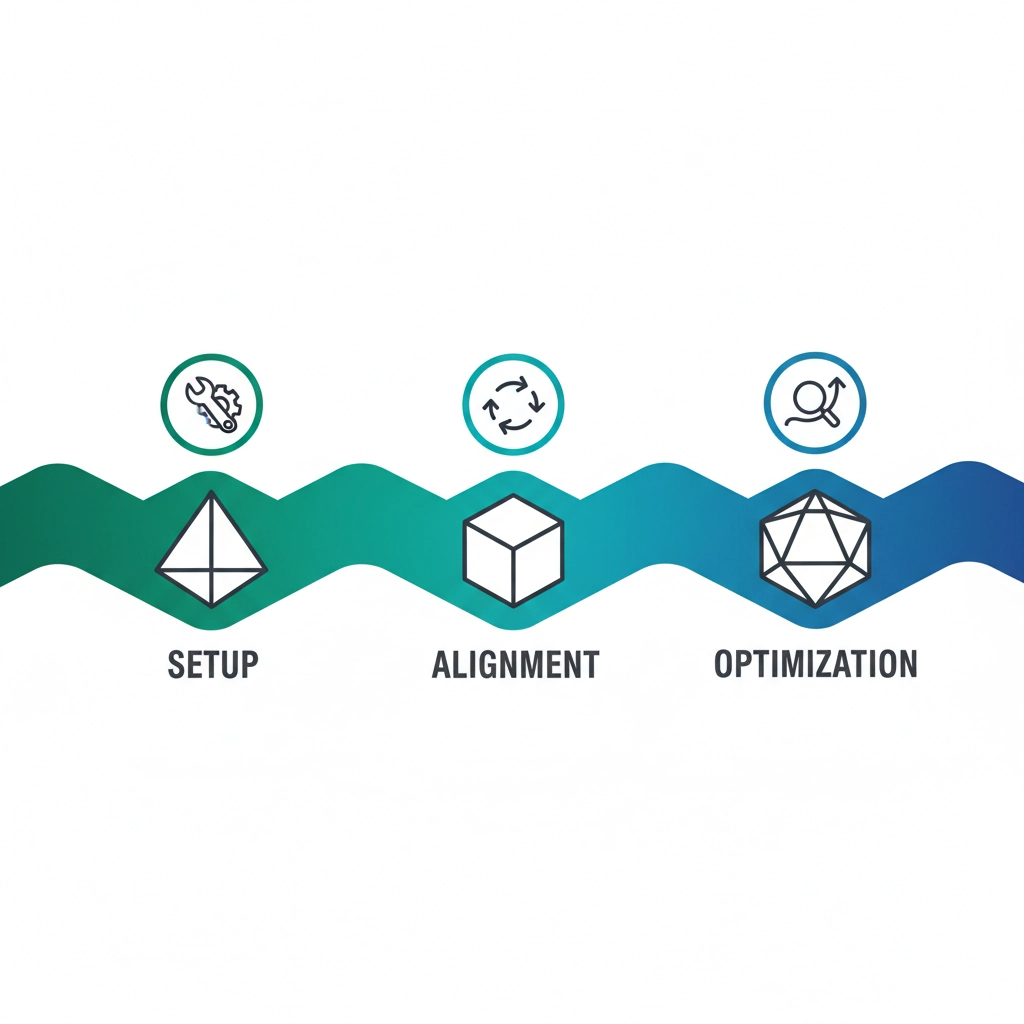
Getting Started: The First 90 Days
You've made your choice: now what? The first three months are crucial for setting up a successful long-term relationship.
Week 1-2: Setup and Access
- Provide access to all necessary accounts and software
- Share 12 months of historical financial records
- Document any unique processes or industry requirements
- Set up communication preferences and meeting schedules
Week 3-4: Process Alignment
- Review their initial setup and organization
- Clarify any questions about your business operations
- Establish approval workflows for payments and decisions
- Test automation tools and integrations
Month 2-3: Fine-Tuning
- Review first monthly financial statements together
- Adjust processes based on what's working (and what isn't)
- Identify additional automation opportunities
- Plan for tax season or busy periods ahead
Setting Expectations for Success
Great bookkeeping relationships thrive on clear expectations. Here's what you should expect from your new bookkeeper:
Monthly Deliverables
- Clean, accurate financial statements by the 15th of each month
- Reconciled bank and credit card accounts
- Organized receipts and supporting documentation
- Brief summary of any unusual transactions or concerns
Ongoing Communication
- Proactive alerts about cash flow issues or opportunities
- Regular updates on process improvements or automation upgrades
- Quarterly business reviews (for full-service providers)
- Tax preparation support or coordination with your CPA
The Automation Evolution Continues
Your choice of bookkeeper in 2025 should position you for even more automation in the coming years. Artificial intelligence and machine learning are already transforming bookkeeping, with tools that can:
- Automatically categorize transactions with increasing accuracy
- Flag unusual patterns that might indicate errors or fraud
- Generate predictive cash flow reports
- Streamline tax preparation with better data organization
The bookkeeper you choose should be excited about these developments, not threatened by them.
When to Reassess Your Choice
Even after making a great decision, business needs change. Plan to reassess your bookkeeping arrangement annually, looking at:
- Are they keeping up with new tools and best practices?
- Is their service level matching your business growth?
- Are you getting proactive insights, not just data entry?
- Could automation eliminate some manual tasks they're still doing?
Your Next Steps
If you're ready to move forward with a modern, automated approach to bookkeeping, Response Bookkeepers specializes in exactly what we've discussed: cloud-based systems, automation tools like Hubdoc, and scalable service that grows with your business.
The bookkeeping landscape in 2025 rewards businesses that embrace automation and partner with professionals who understand modern tools. Don't settle for yesterday's bookkeeping when today's solutions can transform how you manage your finances.
Ready to make your decision? Take your comparison scorecard, trust your research, and move forward with confidence. The right bookkeeping partner is out there: and with this framework, you're equipped to find them.
Remember: you're not just hiring a bookkeeper, you're investing in a financial partnership that should make your business more efficient, more profitable, and ready for whatever comes next.